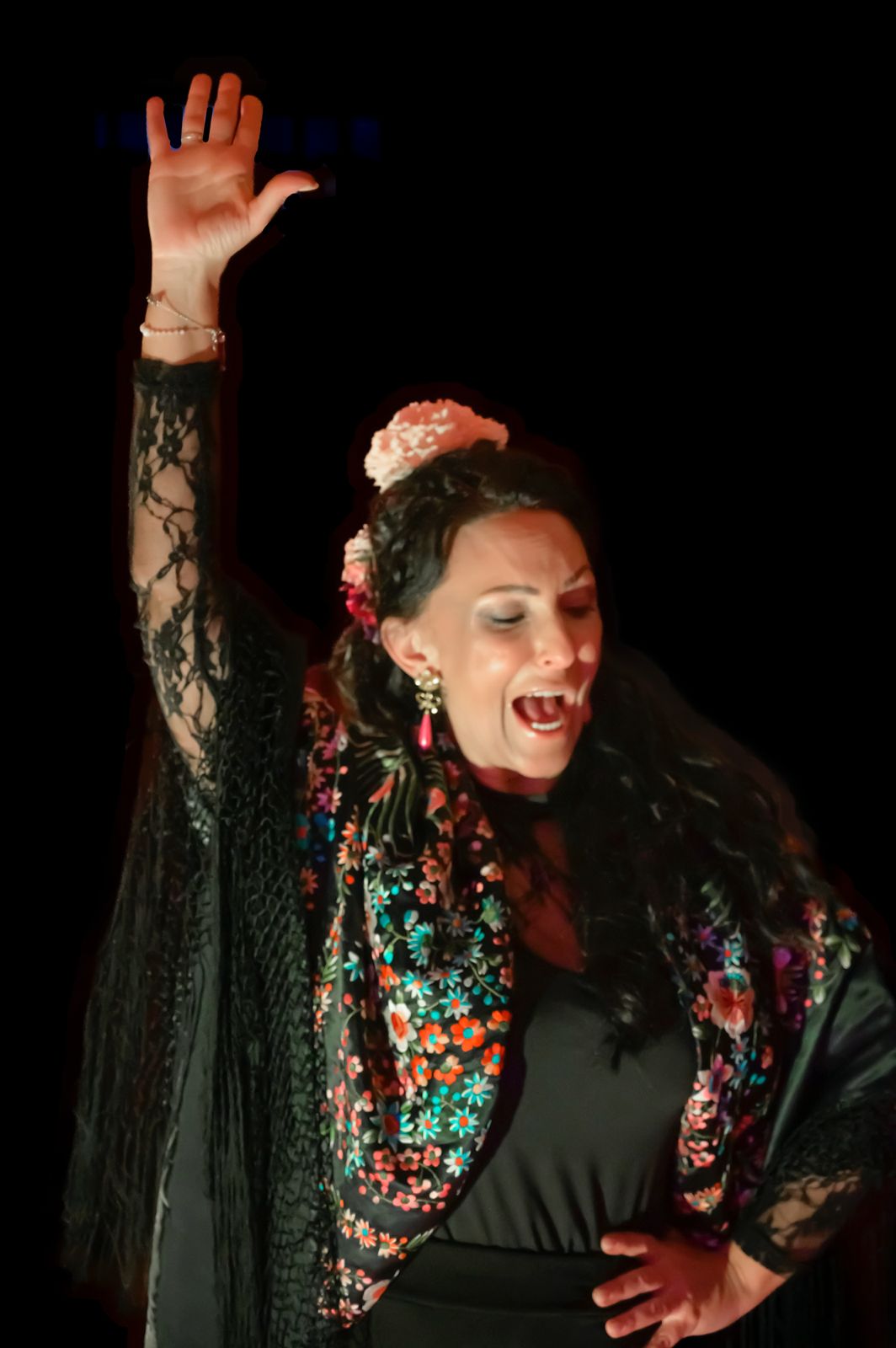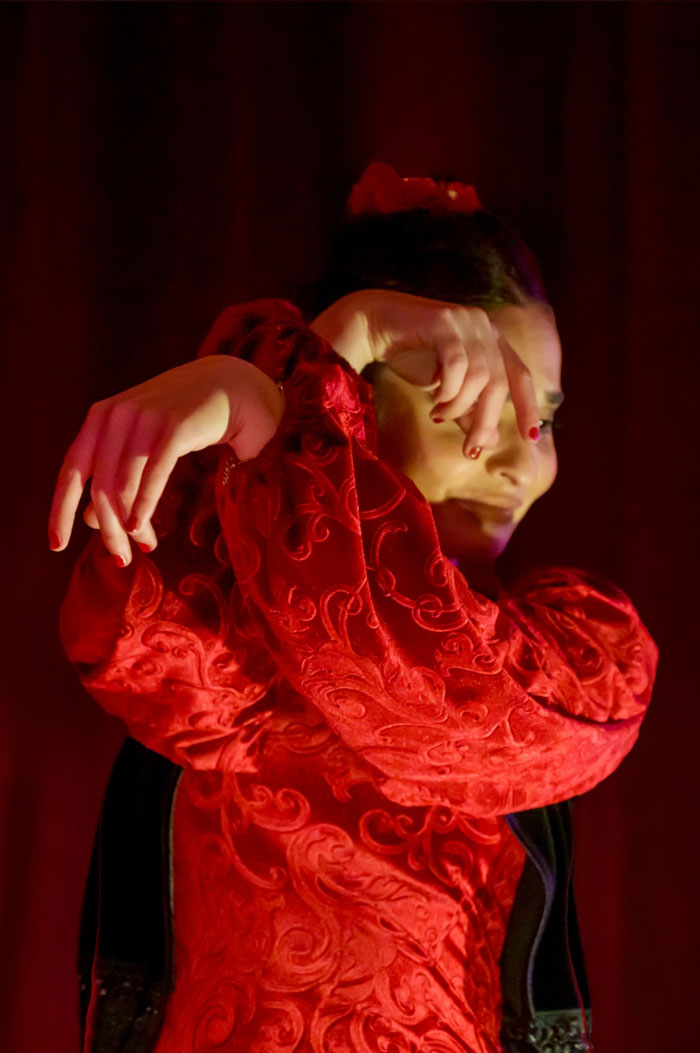

Why do flamenco dancers look so fierce while they dance? Are they suffering?
It’s a question many people quietly wonder the first time they watch flamenco. The intense gaze. The sharp, almost defiant movements. The powerful stomping that echoes through the floor. The dancer’s face often looks serious, even confrontational, not “happy” in the way many other dance styles present emotion. So it’s natural to ask: are they in pain? Are they suffering?
The short answer is no, but what they are expressing is much deeper than simple joy.
Flamenco is not just a dance
It is an emotional language. It was born from a complex history in southern Spain, shaped by communities that experienced marginalization, hardship, and resilience. Because of this, flamenco doesn’t aim to entertain through lightness or elegance alone, it communicates something raw, honest, and profoundly human.
That “fierce” expression you see is part of something often described as duende. This word doesn’t have a perfect translation, but it refers to a heightened emotional state, a moment when the performer is fully immersed, almost possessed by the feeling of the music and the story they are telling. It’s not rehearsed in the way choreography is.
When a flamenco dancer steps onto the stage, they are not simply performing steps. They are embodying a story. Sometimes that story carries sorrow, longing, pride, resistance, or even quiet strength. Their face becomes a canvas for those emotions. Unlike many performance styles that encourage smiling or masking effort, flamenco embraces intensity.
Physical aspect to consider
Flamenco is incredibly demanding. The footwork alone, known as zapateado, requires strength, precision, and stamina. The dancer’s posture is upright and grounded, their movements controlled yet explosive. Maintaining this level of control requires concentration, and that concentration often shows on the face.
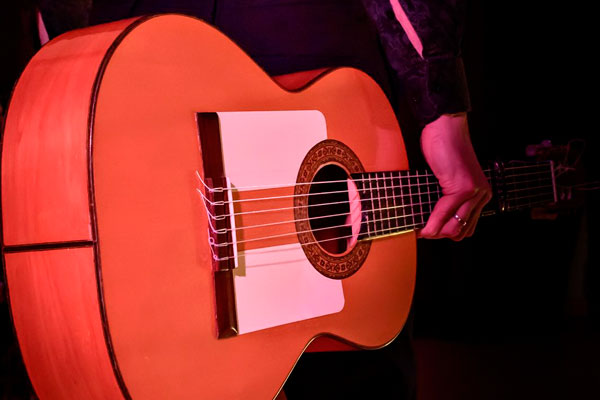
Another important element is the relationship between the dancer, the music, and the singer. Flamenco is improvised within a structure. The dancer listens closely to the guitarist and singer, responding in real time. This creates a dialogue rather than a fixed routine. That intensity you see is part of that communication. The dancer is not just performing for the audience, they are in conversation with the music itself.
Why does it sometimes feel like they are expressing pain?
Because flamenco doesn’t shy away from the full spectrum of human emotion. It gives space to feelings that are often hidden or softened in everyday life. It allows intensity without apology. When you watch a flamenco dancer, you’re not just seeing movement, you’re witnessing emotion being transformed into art.
In a way, that’s what makes flamenco so captivating. It invites you to feel something real. It doesn’t ask for passive enjoyment; it demands your attention.
Fierceness is not pain
Next time you see a flamenco dancer with that powerful, almost intimidating presence, remember: they are not suffering. They are channeling. They are telling a story without words. They are fully present in a moment where technique, emotion, and tradition come together.